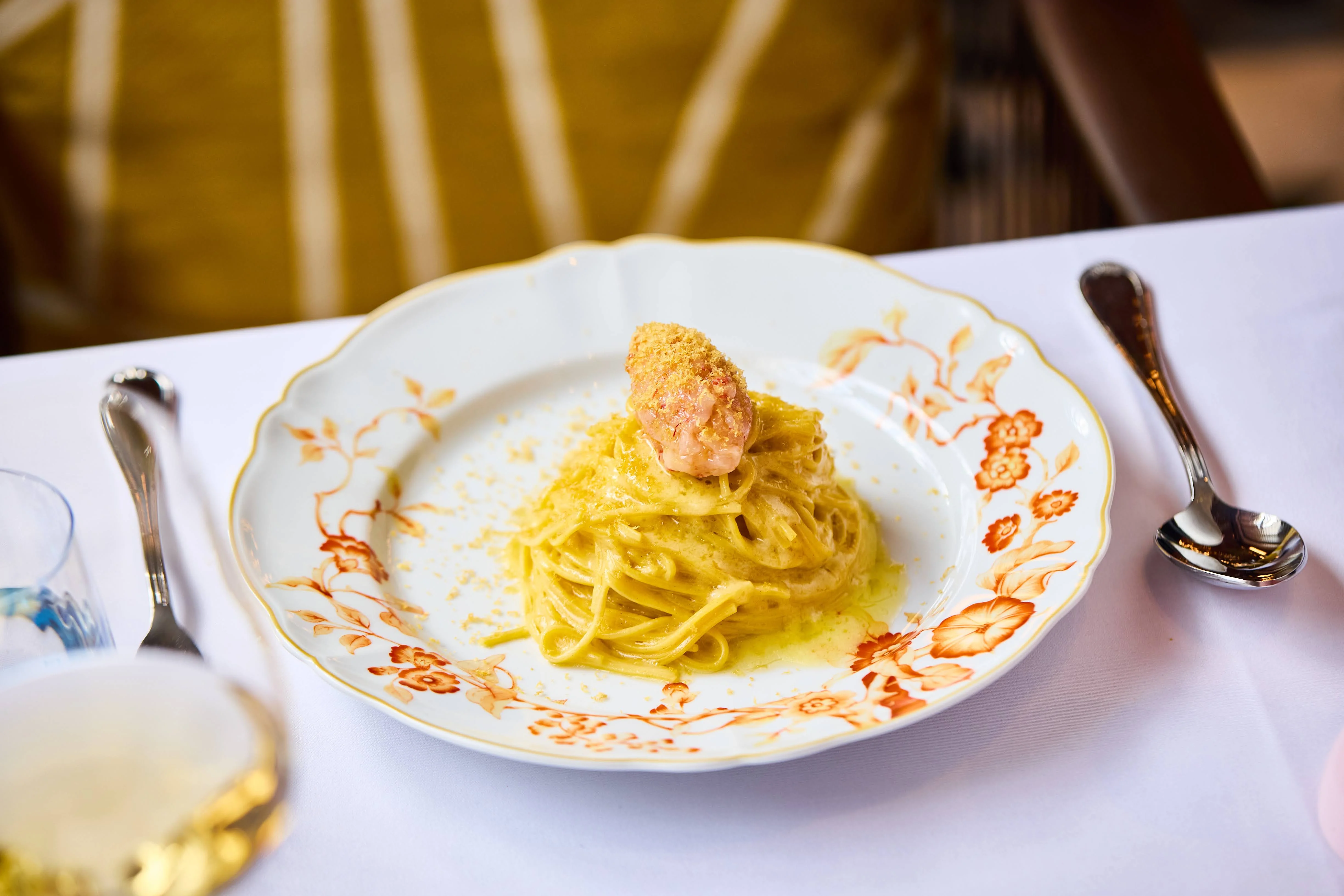
Italy counts something north of 350 pasta shapes. Each is engineered for a sauce: ridges grip ragu, tubes catch beans, threads carry oil. A reader's guide to the shapes worth knowing.
Spaghetti, Tagliolini, Scialatielli
Long shapes carry liquid and oil. Spaghetti for tomato and seafood; tagliolini for truffle and butter; linguine for clam and crustacean; bucatini for amatriciana (the hollow centre carries extra sauce). Scialatielli, from the Amalfi Coast, is a thicker hand-cut long pasta that handles richer seafood preparations.
Rigatoni, Orecchiette, Paccheri
Short shapes are made to trap chunky sauce. Rigatoni's ridges hold ragu and cream. Orecchiette (Puglia's little ears) cup broccoli and sausage. Paccheri, wide and tubular, do well with seafood or rich vegetable sugo. Penne goes with pesto; trofie does too (it's the Ligurian birthplace of the sauce). When the recipe calls for a specific shape, the shape is the recipe. At ALBA those shapes appear as the black-truffle ALBA Tagliatelle, linguine under whole lobster, spaghetti with clams and bottarga, and the vodka pasta with burratina, drawn from Amalfi Coast cooking and the wider regions of Italy. Tagliatelle also takes the lead at unlimited pasta on Tuesdays, finished in a Pecorino cheese wheel.
Frequently Asked Questions
How Many Pasta Shapes Does Italy Have?
Italy counts more than 350 pasta shapes. Each is engineered for a particular sauce, so the shape and the recipe go together.
Why Are There So Many Different Pasta Shapes?
Each shape is built to hold a sauce in a particular way. Ridges grip ragu, tubes catch beans, and threads carry oil. The shape does part of the cooking.
What Sauces Go With Long Pasta Like Spaghetti And Linguine?
Long shapes carry liquid and oil. Spaghetti suits tomato and seafood, tagliolini suits truffle and butter, and linguine suits clam and crustacean.
What is Bucatini And Why is it Hollow?
Bucatini is a thick spaghetti with a hollow centre. The hollow carries extra sauce, which makes it the classic choice for amatriciana.
What Pasta Goes With Chunky or Meaty Sauces?
Short ridged and tubular shapes trap chunky sauce. Rigatoni holds ragu and cream, while paccheri suits seafood or a rich vegetable sugo.
What is Orecchiette?
Orecchiette are Puglia's "little ears", a small cupped pasta. The hollow shape catches broccoli and sausage.
